August 14, 2026
The history of construction is deeply intertwined with the practice of masonry. As one of the earliest building techniques, masonry has played a critical role in the development of human civilization. Hiring a skilled masonry contractor ensures that these time-tested methods are applied effectively in modern projects. Masonry's ability to evolve over centuries showcases its unmatched versatility and durability. From ancient structures like the pyramids of Egypt to modern urban skyscrapers, masonry has been central to the expansion and innovation of architecture. Its continued importance in contemporary construction is rooted in its historical significance, adaptability, and reliability.
Historical Foundations of Masonry in Construction
Ancient Techniques and Materials
Ancient civilizations laid the foundation for modern masonry by developing key techniques which we use today. The Egyptians were pioneers, using limestone and granite blocks to construct monumental structures. These early builders understood the importance of material selection, demonstrating advanced technical skills in the precision with which stones were cut and assembled. Similarly, the Romans contributed significantly by introducing concrete-like materials that allowed for greater architectural creativity and durability. Such ancient innovations set the precedent for the work every expert masonry contractor carries out today.
Development Through the Middle Ages
The evolution of masonry continued through the Middle Ages, with structures becoming increasingly sophisticated. Romanesque architecture emphasized the use of thick walls and large towers, with stone masonry becoming prominent. The Gothic period heralded an architectural revolution, introducing flying buttresses and pointed arches which showcased the ability of masonry to transcend functional design to achieve new aesthetic heights. Stone cathedrals and castles constructed during this era are enduring symbols of the period's architectural innovation. Masonry's adaptability in design continued to solidify its place as a mainstay in construction throughout the medieval era.
Masonry Renaissance During Industrial Revolution
The Industrial Revolution marked a renaissance for masonry, as new technologies and materials emerged. With the advent of the steam engine, traditional brick and stone masonry techniques were augmented with mass production capabilities. This era saw advancements like the introduction of machine-pressed bricks, enhancing precision and uniformity in construction. Furthermore, the development of structural steel integrations allowed for masonry to be used in taller, more complex designs. The industrial period was a pivotal moment that laid the groundwork for contemporary practices used by a modern masonry contractor through its focus on innovation.
Legacy in Today's Architectural Landmarks
Masonry's legacy is evident in numerous architectural landmarks that define cities across the world. From the cobblestone streets of Paris to the enduring appeal of New York's brick townhouses, masonry remains an integral part of urban identity. Its aesthetic and structural qualities have been employed in constructing modern landmarks such as the Sydney Opera House and the Brooklyn Bridge. According to the National Association of Home Builders, brick remains one of the most durable exterior building materials, with many masonry structures lasting more than 100 years. Working with an experienced masonry contractor helps preserve this legacy while delivering structural integrity and visual appeal.
Advantages of Masonry in Modern Construction
Strength and Durability
Masonry is celebrated for its inherent strength and durability, crucial attributes for enduring construction. The robust nature of materials like stone, brick, and concrete contributes to structures capable of withstanding significant environmental stress. When installed by a certified masonry contractor, structural integrity is maximized in regions susceptible to seismic activity or extreme weather. The longevity of masonry is evident in its ability to maintain its structural performance over the centuries, often exceeding the lifespan of other building materials. This unmatched endurance makes masonry a preferred choice for both residential and commercial construction projects.
Energy Efficiency and Insulation Properties
Energy efficiency is a growing priority, and masonry offers remarkable insulation properties that align with this need. Materials like brick and stone naturally contribute to the thermal mass of a building, buffering against external temperature fluctuations. This results in a more consistent internal environment and significantly reduces energy consumption for heating and cooling. By working alongside a knowledgeable masonry contractor, builders can achieve high-performance building envelopes with reduced energy footprints. This aspect of masonry is crucial in modern construction, both economically and environmentally, facilitating sustainable development goals.
Aesthetic Versatility
Masonry is renowned for its aesthetic versatility, allowing architects to realize various stylistic visions. The range of available materials—from traditional bricks to sleek, modern concrete blocks—provides endless design possibilities. Architects can experiment with texture, color, and form, achieving both classical and contemporary architectural statements. Furthermore, a professional masonry contractor can seamlessly integrate masonry with other materials, enhancing design dimensions and innovation. This versatility ensures that masonry continues to play a crucial role in achieving the desired aesthetic outcomes in building projects.
Fire and Weather Resistance
In addition to its structural benefits, masonry is highly rated for its fire and weather resistance. Masonry materials such as concrete and brick demonstrate excellent performance in fire scenarios, offering crucial passive fire protection. Their non-combustibility contributes to the broader safety profile of buildings, making them suitable for high-risk areas. Masonry also excels against various weather conditions, resisting damage from rain, wind, and even coastal climates. These resistant properties enhance the durability of structures, making the services of a qualified masonry contractor invaluable for long-term safety.
Minimal Maintenance Requirements
One of the less appreciated advantages of masonry is its minimal maintenance requirements over time. Unlike wood or metal, masonry does not require frequent repainting, sealing, or treatment to maintain its appearance and integrity. Its durability and weather-resistant properties naturally fend off corrosion, rot, and pests. This low maintenance advantage results in significant long-term cost savings for building owners. Consequently, partnering with a reputable masonry contractor remains a favorable option for long-term investment, particularly in large-scale and public projects where maintenance costs can be substantial.
Masonry Materials and Techniques
Brick: Types and Uses
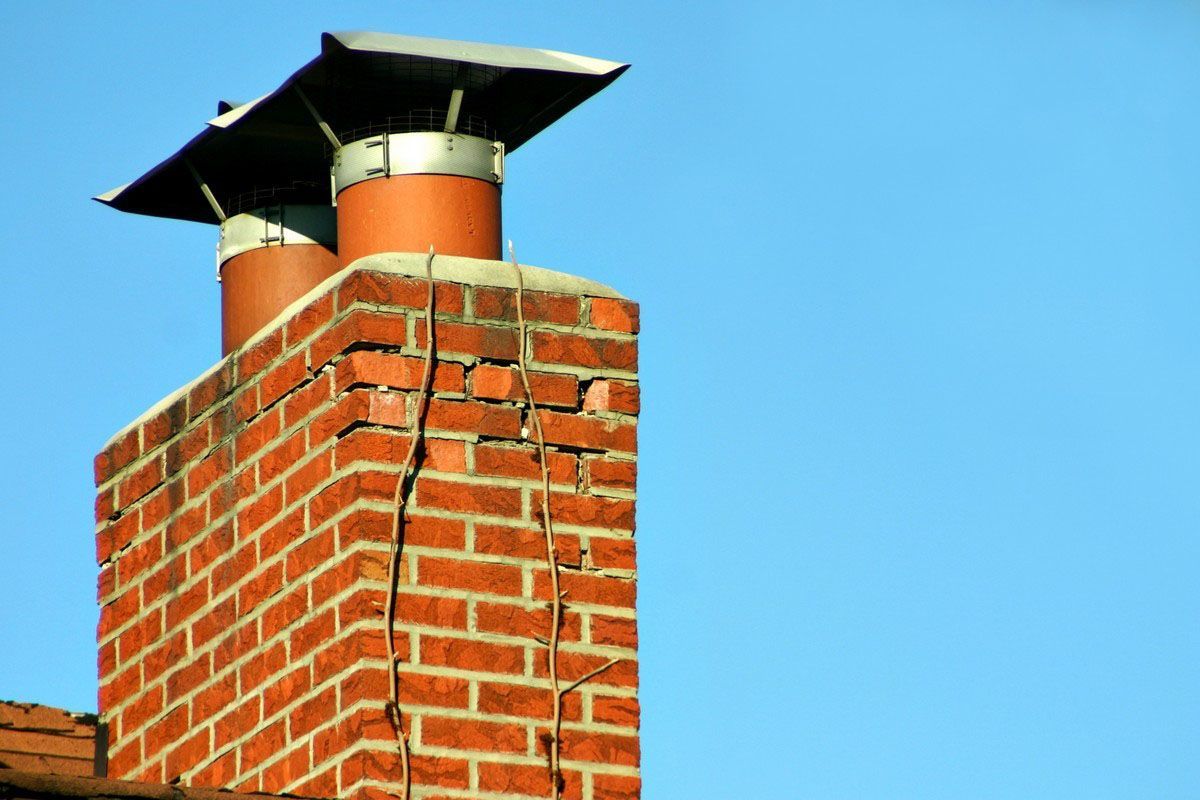
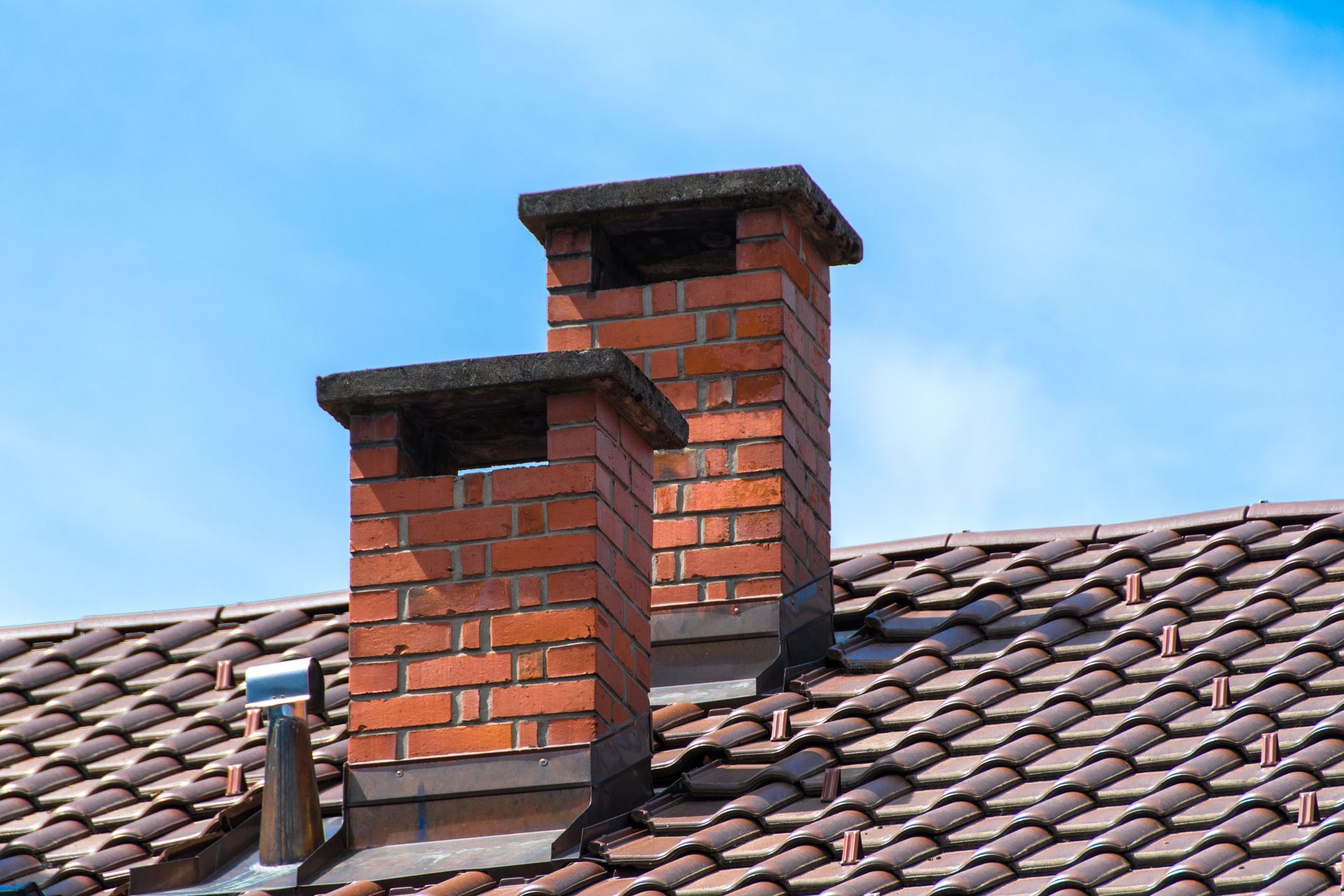
Bricks have been foundational in masonry work, offering varied types to suit different construction needs. Common clay bricks provide excellent durability, making them ideal for exterior facades and structural walls. Facing bricks are crafted for aesthetic appeal, available in various textures and colors to elevate architectural designs aesthetically. Firebricks, with their heightened heat resistance, are instrumental in high-temperature environments like kilns or fireplaces. A professional masonry contractor understands how to select and lay each brick type to expand adaptability in both functional and decorative applications.
Stone Masonry Techniques
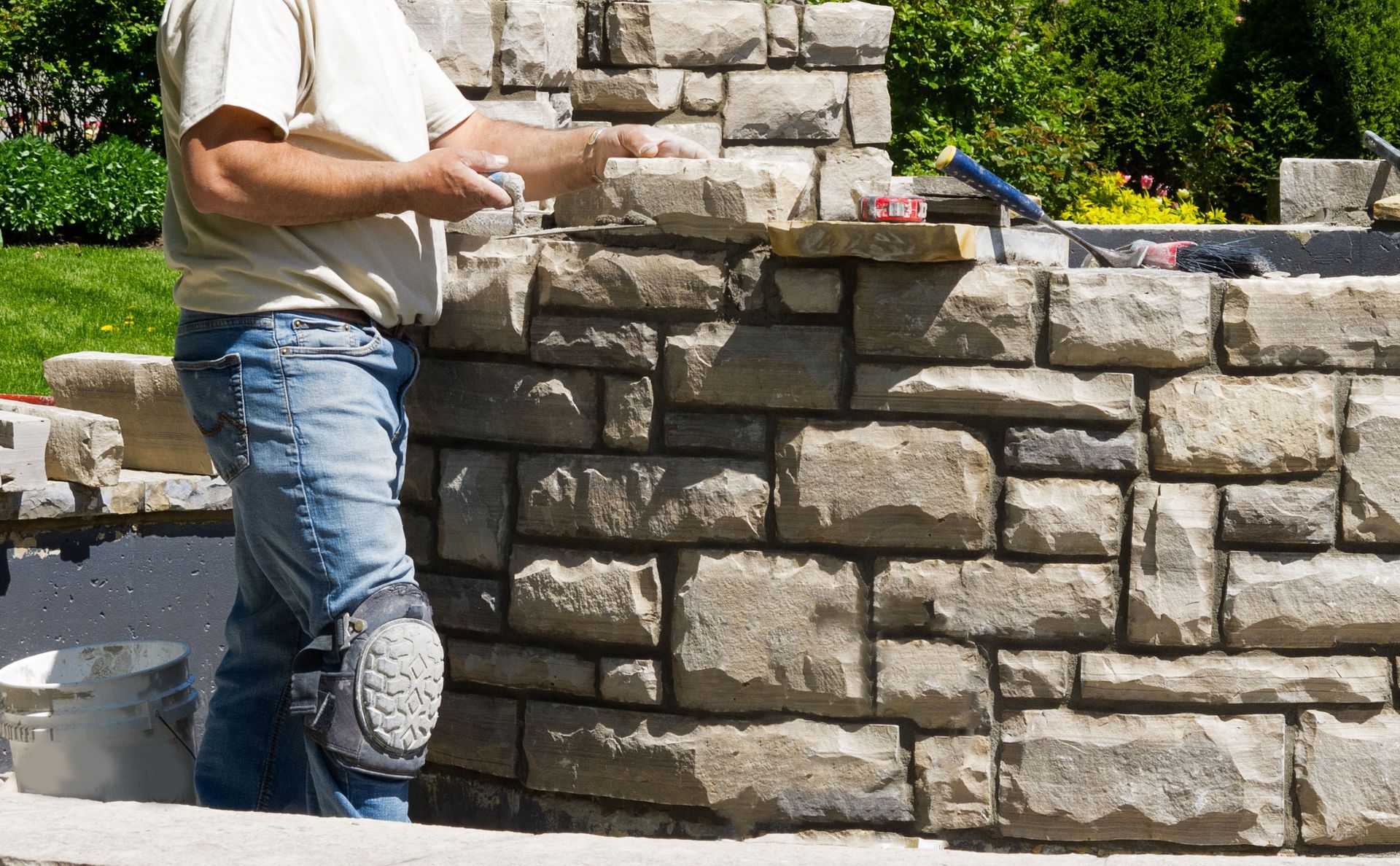
Stone masonry continues to captivate with techniques that emphasize craftsmanship and durability. Ashlar masonry, characterized by finely-cut stones, is renowned for its precision and uniform appearance which imbues an element of elegance. Rough stone or rubble masonry offers robustness, favored in foundational work and rustic applications where aesthetics derive from natural imperfections. The selection and arrangement of stones require skilled artisans, which is why hiring a licensed masonry contractor is essential for stability and timeless beauty. Stone masonry remains integral to creating distinctive, enduring architectural features that stand the test of time.
Concrete Blocks: Innovation and Application
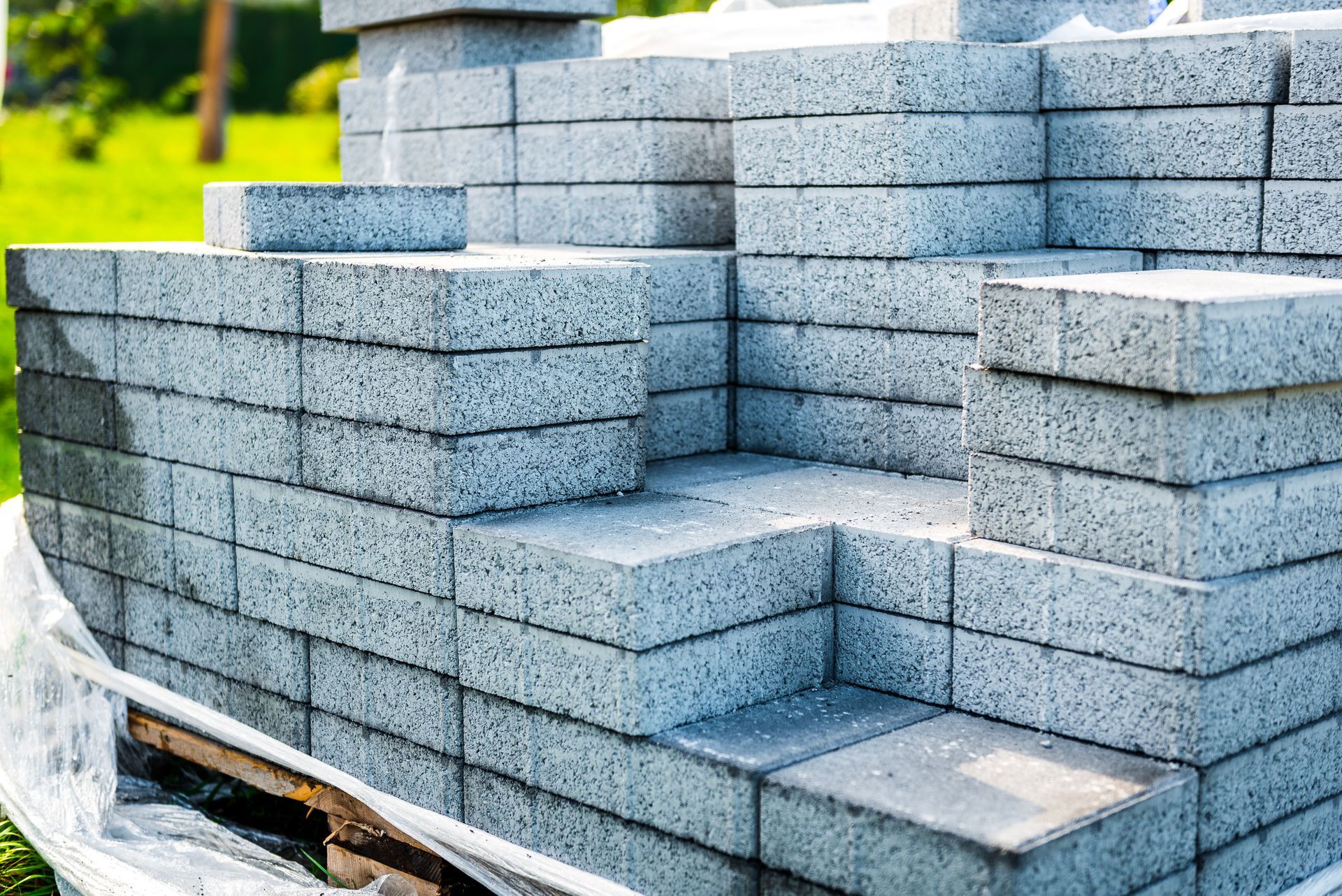
Concrete blocks represent a significant innovation in masonry, emphasizing functionality and efficiency. These blocks are easily mass-produced, streamlining construction processes with their uniform shape and size. They offer enhanced structural support for a variety of applications—from load-bearing walls to complex industrial structures. Innovations in concrete block technology include enhanced insulative properties and reduced weight while maintaining strength. With benefits like cost-effectiveness and flexibility, a masonry contractor can utilize concrete blocks to drive advancements in modern construction techniques.
The role of masonry in construction is both historical and contemporary, illustrating a timeless fusion of strength, aesthetics, and sustainability. Its adaptability has allowed it to transcend eras, adapting to new challenges and technologies while maintaining its fundamental attributes. The masonry industry must continue innovating to overcome challenges, but its potential for growth remains substantial. Masonry’s proven benefits and adaptability affirm its position as a cornerstone in future construction endeavors. Its enduring legacy provides a robust foundation for creative and sustainable advances in modern architecture and building practices. Reach out to Precision Pointing & Restoration Inc today for more information.