November 19, 2026
The importance of maintaining a safe, comfortable home cannot be overstated, yet homeowners frequently overlook one of the most critical venting structures on their property: the chimney. While property owners routinely schedule HVAC tune-ups, clear gutters, and invest in interior renovations, the chimney often remains neglected until an obvious hazard arises. Chimneys endure severe weather and corrosive gases, but they are not indestructible. Over time, environmental wear, internal flue degradation, and toxic byproduct buildup turn an uninspected chimney into a serious household liability. Scheduling an annual chimney evaluation is an essential proactive measure that averts disasters, optimizes heating performance, and preserves structural integrity. Investing in regular assessments and professional chimney restoration services ensures that minor defects are addressed long before they endanger your household or deplete your finances.
Minimizing Dangerous Fire Hazards and Creosote Buildup
Fire hazards represent one of the most urgent risks associated with neglected chimneys. Whenever wood or fossil fuels burn, combustion byproducts rise through the flue, depositing soot and creosote along inner walls. Creosote is a flammable substance that accumulates in progressive stages, transforming from flaky soot into a hardened glaze. When temperatures inside the flue reach extreme levels, this accumulated creosote can ignite, generating an intense fire that cracks flue tiles, burns mortar, and spreads into attic framing or adjacent living spaces. Professional chimney sweeps and certified inspectors examine the entire flue to measure creosote accumulation and identify combustible deposits. By pairing annual cleanings with targeted chimney restoration services when flue tiles crack, homeowners eliminate fuel for fires and safeguard their property against catastrophic blazes.
Preventing Hazardous Carbon Monoxide Infiltration
Beyond fire hazards, an uninspected chimney presents an invisible threat: toxic carbon monoxide poisoning. Every heating appliance relying on combustion produces carbon monoxide, an odorless, colorless gas capable of causing severe illness or fatal asphyxiation. Under normal operating conditions, an unobstructed flue safely channels these exhaust fumes outside. However, masonry cracks, disconnected pipe joints, broken clay liners, and structural blockages prevent proper venting, forcing dangerous fumes back into interior rooms. Minor obstructions—such as twigs, masonry fragments, or animal nests—can choke draft completely. Certified technicians conduct thorough visual and camera inspections to verify that exhaust passages remain unobstructed. When flue walls deteriorate or develop breaches, utilizing experienced chimney restoration services guarantees airtight venting, protecting your family’s indoor air quality throughout the burning season.
Preserving Masonry Stability and Structural Integrity
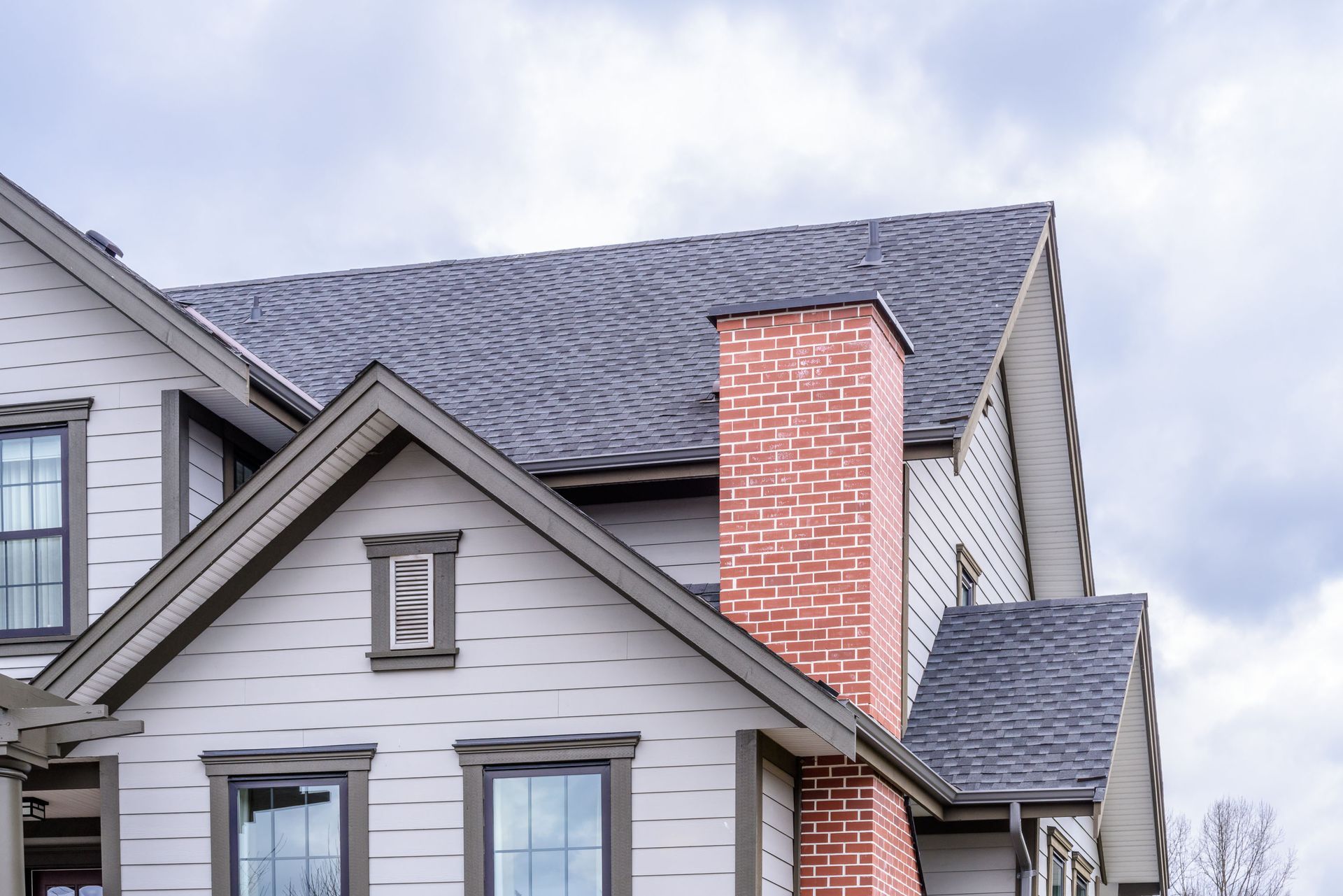
A chimney’s structural stability is paramount for both fire safety and architectural soundness. Perched atop the roofline, chimneys bear the brunt of freezing rain, snow, and thermal expansion cycles. Over time, moisture causes freeze-thaw cycles to fracture brittle bricks and dissolve mortar, a destructive process known as spalling. Left unchecked, water intrusion compromises structural footing, causing chimneys to lean, crumble, or collapse onto the roof. During an annual inspection, technicians assess flashing seals, caps, crowns, and exterior masonry joints to identify damage before it causes irreversible structural failure. When early deterioration is identified, securing reliable chimney restoration services allows masons to repoint decayed joints, reconstruct cracked crowns, and reinforce damaged brickwork before a costly rebuild becomes unavoidable.
Maximizing Heating Efficiency and Heat Output
An efficiently operating chimney is vital for achieving optimal heat output and maintaining dependable warmth throughout colder months. When operating heating appliances, the chimney must generate a steady upward draft to draw combustion air into the firebox and exhaust spent gases outside. Obstructions, loose dampers, broken flue walls, or improper sizing severely impair draft, starving the fire of oxygen and causing sluggish burns that waste fuel. A professional evaluation ensures that internal air passages are clean, dampers seal tightly when closed, and draft operates at peak performance. Maximizing thermal output ensures that your fireplace or furnace heats your living space evenly while burning less fuel. Ensuring smooth draft dynamics through routine inspections helps fine-tune combustion efficiency and maximize heating performance.
Lowering Premature Repair Costs and Heating Bills
Proactive preventative maintenance consistently proves far more economical than emergency repairs or reactive reconstruction. Minor chimney vulnerabilities—such as a cracked flue tile, hairline fractures across the crown, or mortar erosion—are inexpensive to address when caught early. However, if ignored, water seeps into masonry, rusting dampers, rotting wood framing, and degrading structural brickwork. Catching spalling early prevents catastrophic failure, ensuring that chimney restoration services remain affordable and localized rather than expanding into complete rebuilds. Furthermore, eliminating unwanted air drafts and poorly sealing dampers reduces household standby heat loss, keeping conditioned air inside and noticeably reducing monthly utility bills.
Extending the Functional Lifespan of Chimney Systems
Chimneys represent substantial investments that should ideally endure for decades when properly constructed and protected. According to This Old House, a well-built brick chimney can last 50–100 years with proper maintenance, although components like the liner may need replacement after 15–20 years and should be inspected annually. High temperatures, corrosive flue acids, and moisture place intense stress on liners, caps, and masonry crowns long before the surrounding brick structure shows outward decay. Annual inspections allow homeowners to monitor the aging process of every subcomponent, replacing compromised elements before they trigger systemic failures across the broader chimney structure. When individual components degrade, utilizing comprehensive chimney restoration services ensures that the broader masonry remains fully protected, effectively helping your chimney achieve its century-long operational potential.
Maintaining Regulatory Compliance and Insurance Coverage
Operating fuel-burning appliances requires strict adherence to local building codes, municipal fire regulations, and homeowner insurance requirements. Building safety standards continuously evolve, and non-compliant chimneys expose homeowners to municipal fines, failed property resale assessments, or legal liabilities following an accident. Furthermore, modern homeowner insurance policies frequently stipulate that heating appliances and chimneys must be maintained according to manufacturer specifications and certified annual inspection schedules. In the unfortunate event of a fire or smoke damage claim, adjusters often demand documented proof of regular inspections; failing to supply maintenance records can lead to claim denials. Certified technicians providing chimney restoration services know regional building codes intimately, ensuring that every flue modification, relining project, or masonry repair complies with local safety standards and validates your insurance coverage.
Protecting Exterior Brickwork and Property Aesthetics
A well-kept brick chimney adds timeless architectural character and strong curb appeal to any home. Conversely, a neglected chimney marked by soot streaks, crumbling mortar, missing bricks, and white efflorescence stains detracts significantly from exterior charm and resale value. Annual inspections detect moisture leaks around flashing and identify damaged brickwork before unsightly staining and spalling spread across the roofline. Beyond safety, historic brickwork and chimney crowns often require specialized chimney restoration services to remove deep soot stains, replace deteriorated bricks with historically accurate materials, and apply breathable water-repellent sealants. Maintaining clean, structurally sound masonry preserves your home's historic integrity, enhances visual aesthetics, and reassures prospective buyers of meticulous property stewardship.
Securing Year-Round Safety and Peace of Mind
Ultimately, the most valuable return on an annual chimney inspection is the profound peace of mind it provides for your entire household. Gathering around a fireplace or relying on your primary furnace should bring comfort, free from nagging anxieties about hidden creosote blazes, toxic gas leaks, or collapsing masonry overhead. Annual inspections give you a clear, objective assessment of your heating system’s operational health, supported by photographic documentation and professional guidance. By partnering with trusted inspectors, homeowners can relax knowing that their heating systems are safe, reliable, and prepared for winter. To protect your home, extend the life of your masonry, and ensure absolute safety this season, schedule your professional chimney inspection and masonry evaluation today with Precision Pointing & Restoration Inc.