October 23, 2026
Exterior home improvements consistently yield some of the highest financial returns for property owners aiming to boost market value. Among the various building materials available today, stone veneer stands out as a high-impact, transformative solution for both interior and exterior spaces. Understanding how to properly leverage this material allows you to maximize your equity and elevate the visual profile of your residence.
Understanding the Financial Return on Investment
Data consistently demonstrates that stone siding upgrades are among the most financially sound choices a homeowner can make. According to research provided by the National Association of the Remodeling Industry, manufactured stone veneer recouped a remarkable 206% of its initial cost in the 2025 Cost vs. Value Report, securing its position as a leading exterior improvement project. This means that property owners often double the financial outlay of the installation in added property equity upon resale.
The extraordinary return on investment stems from the immediate visual transformation the material provides. Potential buyers form their primary opinion of a house within seconds of arrival, making curb appeal a dominant factor in appraisal pricing. Because stone finishes convey strength, permanence, and luxury, replacing outdated siding with partial or full stone cladding drastically elevates perceived property value. Partnering with qualified stone veneer contractors ensures that the installation adheres to regional building codes, preserving this financial gain over time.
Enhancing Exterior Curb Appeal and Character
The exterior facade serves as the visual anchor of your property. Integrating structural stone details transforms a plain home into a customized, architectural highlight. You can apply the material as an accent band along the lower third of your home's exterior, around structural entry arches, or across entire accent walls. These targeted placements draw the eye to key architectural features while breaking up monochromatic vinyl or wood siding.
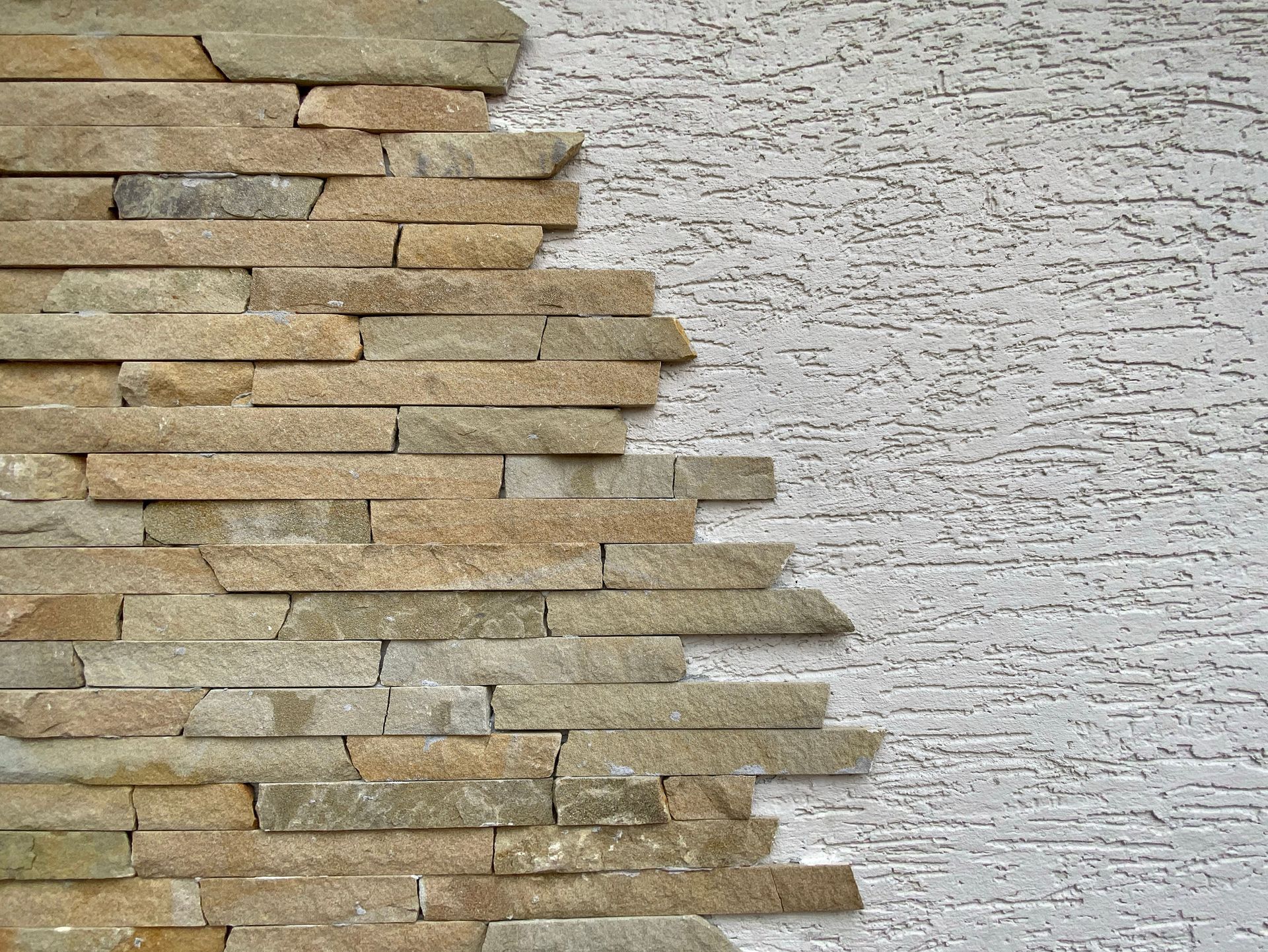
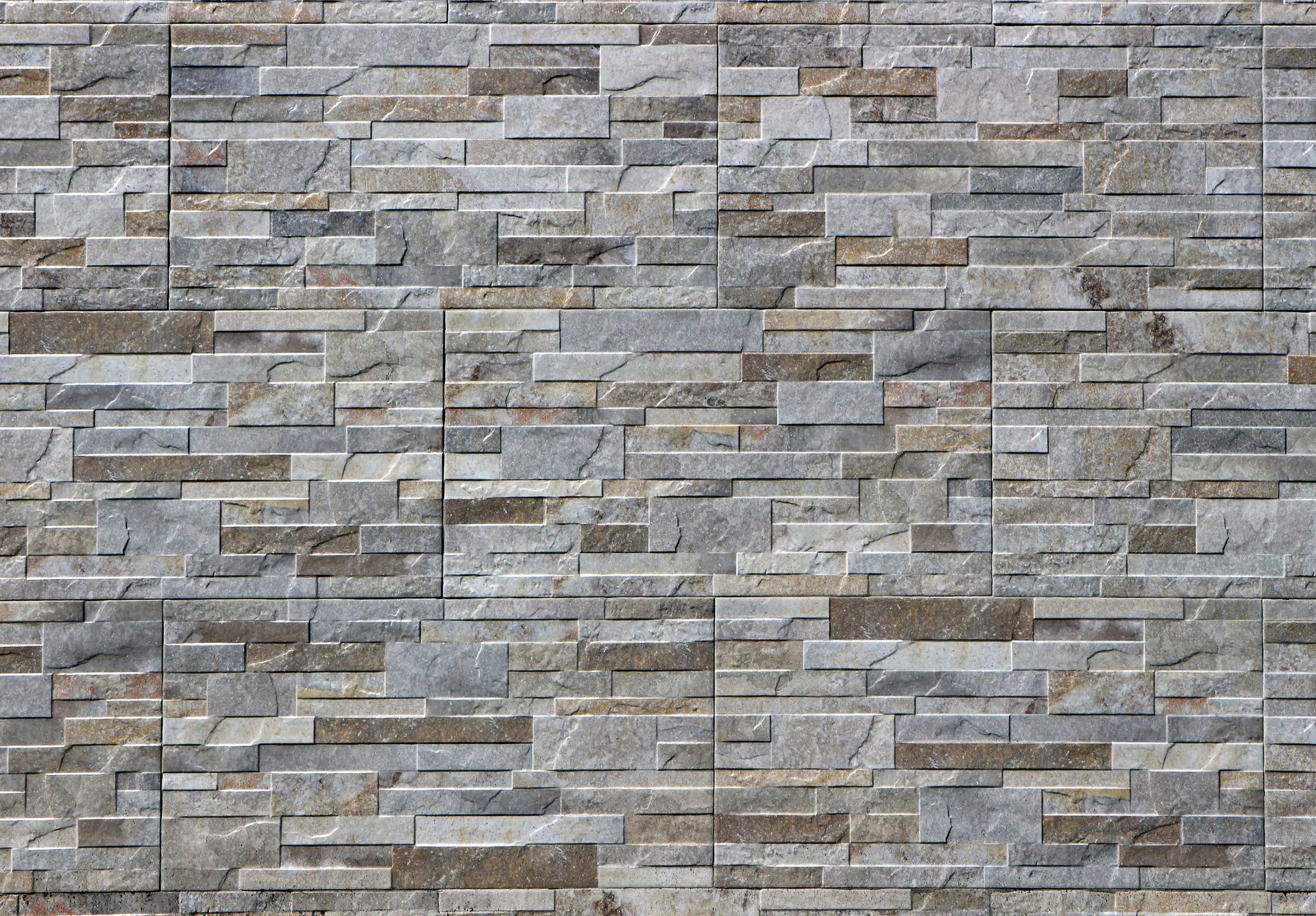
The texture and color variation inherent in stone veneer create natural shadows and depth that traditional siding simply cannot match. Whether you choose a rugged fieldstone profile, a sleek modern stacked stone, or a classical ledger stone layout, the material elevates the sophistication of the structure. Working alongside experienced stone veneer contractors allows you to select palette tones that complement your existing roofline, trim, and surrounding landscape features seamlessly.
Creating High-Impact Interior Feature Walls
The value-adding potential of stone veneer extends far beyond your home's exterior walls. Indoor applications have gained immense popularity as homeowners seek to bring natural, organic textures into modern living environments. Floor-to-ceiling fireplace surrounds represent one of the most effective indoor uses for stone cladding. Enclosing a standard drywall fireplace in dimensional stone turns a basic heating element into an elegant focal point for the main living area.
Beyond the living room, stone veneer serves as a sophisticated wall finish in accent locations across the home. Kitchen islands, basement bar backdrops, primary bedroom headboard walls, and foyer entrances all benefit from the rich visual warmth that stone provides. Because interior installations are protected from severe weather, they remain pristine indefinitely with minimal maintenance, offering long-term visual interest for residents and prospective buyers alike.
Comparing Manufactured and Natural Materials
Choosing between manufactured stone veneer and full-bed natural stone involves weighing cost, structural weight, and installation efficiency. Natural stone offers authentic, unique geological formations, but its substantial weight requires thick concrete footings and extensive structural support. This extra structural preparation significantly increases overall labor expenses and construction timelines.
Manufactured stone veneer, engineered from a blend of lightweight cement, natural aggregates, and iron oxide pigments, replicates the exact color nuances and surface textures of mined stone. Because manufactured stone weighs a fraction of full-depth stone, it can be installed directly over existing wall structures without structural reinforcement. This reduced weight translates directly to lower transport costs and faster labor times. Relying on licensed stone veneer contractors guarantees that either material choice is bonded correctly using appropriate mortar and moisture barriers.
Ensuring Long-Term Durability and Protection
Stone veneer offers exceptional physical durability, defending building foundations against everyday wear and atmospheric elements. Unlike wood or fiber-cement siding, stone does not rot, warp, split, or attract pest infestations. It resists fading under intense ultraviolet exposure and withstands significant temperature fluctuations without cracking.
In addition to physical resilience, a professionally applied stone facade creates a multi-layered weather barrier around your home. When installed with appropriate drainage planes, flashing, and water-resistive barriers, stone veneer protects interior framing from moisture intrusion and wind-driven rain. This structural protection helps prevent costly long-term repairs, giving homeowners peace of mind while preserving the core structural integrity of the home.
Minimizing Maintenance Requirements Over Time
Homeowners consistently seek low-maintenance building materials that require minimal effort to keep clean and functional. Stone veneer satisfies this demand completely, eliminating the need for periodic scraping, repainting, or staining associated with alternative siding options. An occasional gentle wash with water and a soft-bristle brush is typically all that is required to remove outdoor dust or debris.
For added longevity, applying a breathable masonry sealer protects the surface against dirt, oil, and harsh weather conditions without trapping internal moisture behind the stone. This straightforward care routine preserves the vibrancy of the stone's pigments for decades. Experienced stone veneer contractors can recommend specialized sealers formulated specifically for your climate and stone material type.
Maximizing Energy Efficiency and Comfort
Building envelope performance plays a critical role in determining overall home comfort and monthly utility expenditure. Adding a layer of stone veneer over existing exterior walls provides an additional layer of thermal mass and physical insulation. Thermal mass helps absorb external heat during hot summer hours and releases it slowly, reducing peak cooling loads on your HVAC system.
During colder seasons, the combined assembly of mortar, metal lath, weather barriers, and stone units reduces thermal bridging across exterior wall framing. This added thermal barrier keeps indoor space temperatures consistent and minimizes drafts. Over time, the resulting savings on heating and cooling expenses contribute directly to the financial benefits of the upgrade.
Executing Professional Quality Installation Standards
Achieving a flawless, long-lasting stone veneer installation requires specialized technical knowledge and precise execution. The process begins with proper substrate preparation, including the secure fastening of layers of weather-resistive barrier followed by a heavy-gauge galvanized metal lath. A scratch coat of mortar is then applied over the lath and allowed to cure, creating a rigid foundation for stone placement.
Once the scratch coat is ready, stones are carefully selected, buttered with mortar, and pressed firmly onto the wall to establish a strong bond. Specialized stone veneer contractors ensure that joint widths remain consistent, corners are wrapped smoothly, and mortar joints are properly tooled or rake-cleaned according to the design plan. Skipping proper moisture management or structural bonding steps can lead to wall failure, emphasizing the importance of expert workmanship.
Selecting the Ideal Style and Layout
Choosing the right stone style involves matching the material layout to your property's architectural language. Traditional style homes, such as Craftsman or Colonial builds, pair exceptionally well with irregular fieldstone or classic ledgestone styles that display variable, rustic patterns. Modern and contemporary homes benefit from tight-fitted, clean-cut dimensional stone or ashlar patterns with crisp horizontal lines.
Color selection should harmonize with existing permanent materials on the site, such as roofing tiles, driveway pavers, and fixed trim work. Warm earth tones, including tan, brown, and deep rust, bring cozy, inviting energy to traditional properties. Cool grays, charcoals, and off-white shades offer a sleek, updated palette ideal for modern architectural concepts. Consulting with reputable stone veneer contractors provides access to physical sample boards, helping you visualize the finished surface under real sunlight before committing to a purchase.
Installing stone veneer is one of the most effective strategies for boosting your property value, structural durability, and curb appeal simultaneously. Whether applied to transform an exterior facade or used to construct an interior feature wall, the visual impact delivers immediate returns on your investment. By choosing high-quality materials and partnering with skilled installation professionals, you ensure your home remains stunning, resilient, and highly valuable for years to come. For more insight on how hiring
stone veneer contractors can add value to your property, please contact Precision Pointing & Restoration Inc.