September 2, 2026
A chimney can look solid from the ground while damage develops within its masonry, flashing, crown, or liner. Constant exposure to rain, snow, temperature changes, and moisture can cause small issues to worsen before homeowners realize there is a problem. Recognizing early warning signs can help you address concerns before they lead to more extensive damage.
Although chimneys are built for durability, their individual components do not necessarily age at the same rate. Regular inspections and prompt attention to visible or functional changes can help protect the structure, maintain proper performance, and reduce the risk of more extensive chimney repairs.
Understanding How Weather and Moisture Cause Damage
Water Can Enter Through Small Openings
Water is one of the leading causes of chimney deterioration. A small crack in the crown, a gap around flashing, or deteriorating mortar can create an entry point for moisture. Once water enters the system, it can spread through porous masonry and affect areas beyond the original opening.
This damage is not always immediately visible. Moisture can move through brick and mortar, collect behind exterior surfaces, and reach vulnerable components inside the chimney. Professional chimney repairs can identify the source of water intrusion and address the underlying problem rather than simply covering visible damage.
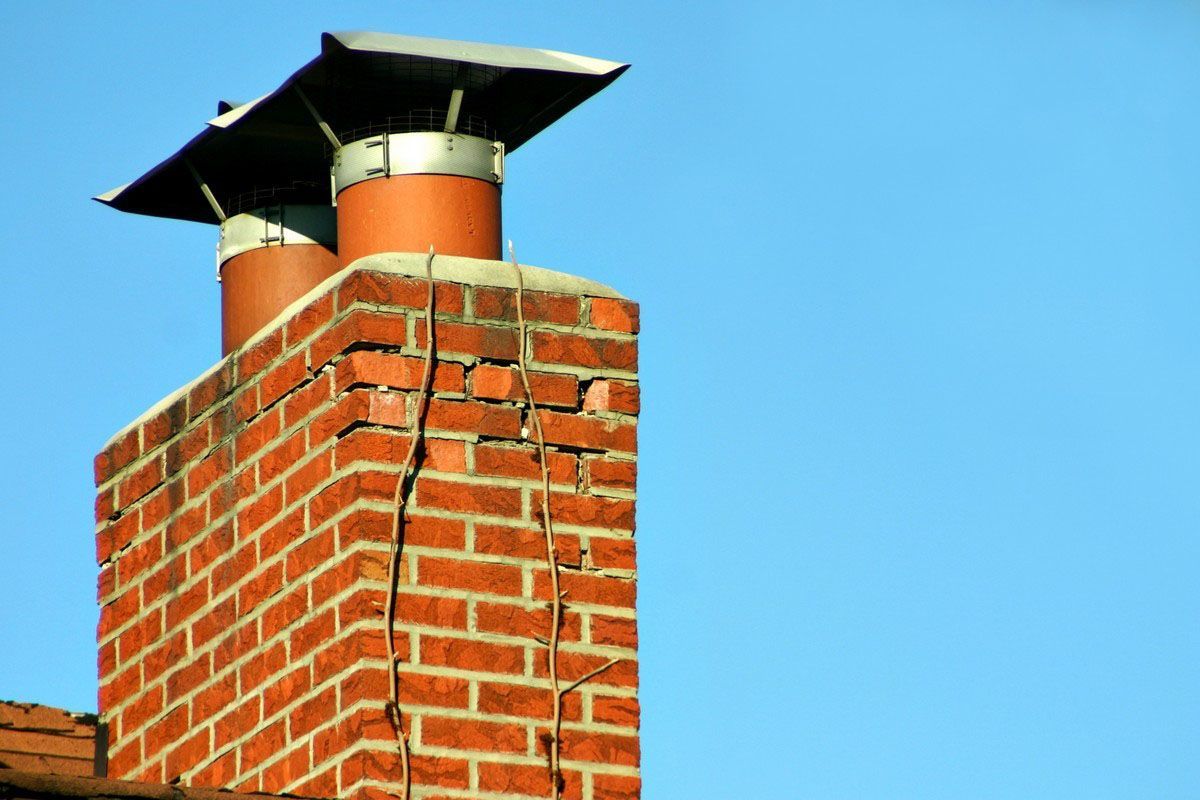
The chimney crown deserves particular attention because it helps direct water away from the masonry below. Cracks and deterioration can allow rain and melting snow to enter from above. If left unaddressed, a damaged crown can contribute to problems involving brickwork, mortar, and other parts of the chimney.
Freeze-Thaw Cycles Can Worsen Existing Damage
Cold weather can accelerate masonry deterioration when moisture has already entered cracks and pores. As trapped water freezes, it expands and places pressure on the surrounding material. When temperatures rise, the water thaws, and the process can repeat.
Over time, freeze-thaw cycles may enlarge cracks, loosen mortar, and cause bricks to flake or break apart. Mortar joints are especially vulnerable because deteriorated joints allow even more water to enter the structure. Re-pointing damaged areas before the problem spreads can help preserve the surrounding masonry and reduce the need for further chimney repairs.
Moisture Can Affect More Than Masonry
Water damage can extend beyond the brick and mortar. Damaged flashing may allow moisture to enter where the chimney meets the roof, potentially affecting nearby building materials. Rust on metal components, staining around the chimney, or moisture in adjacent interior areas can all indicate a water-related problem.
According to This Old House, a properly built and maintained brick chimney can last 50 to 100 years, but components such as the liner may need replacement after 15 to 20 years, which is why annual inspections are recommended. This difference in lifespan means a chimney that appears sound on the outside may still have components that require professional attention.
Waterproofing, crown restoration, flashing repair, and masonry work can each help protect a chimney, depending on the source and extent of the problem. A thorough assessment can determine where moisture is entering and which chimney repairs are appropriate.
Recognizing When Aging Components Need Attention
The Flue Liner Can Deteriorate Earlier
A chimney's exterior masonry and interior liner serve different purposes and can wear at different rates. The liner helps contain combustion byproducts and directs them safely through the chimney. Because it is located inside the structure, damage may not be visible during a basic exterior inspection.
Cracks, gaps, and other liner problems can affect how effectively the chimney vents smoke and gases. Homeowners may not recognize these issues until fireplace performance changes or a professional inspection identifies deterioration. This makes routine evaluations important even when the exterior masonry appears to be in good condition.
When liner damage is found, replacement may be necessary to restore proper operation. The right solution depends on the condition of the chimney and the appliance or fireplace it serves. Evaluating the complete system helps ensure that necessary work is based on the actual source of the problem.
Caps and Crowns Can Lose Their Protective Function
The chimney cap and crown help protect vulnerable areas at the top of the structure. A cap can keep rain, debris, and animals from entering the flue, while a properly functioning crown directs water away from the masonry. Damage to either component can expose the chimney to unnecessary moisture.
Rust, corrosion, cracks, and missing sections should not be dismissed because they appear limited to the top of the chimney. Water entering from above can reach less visible areas and contribute to damage that continues unnoticed. Replacing a deteriorated cap or restoring a damaged crown can help prevent a relatively small issue from becoming more extensive.
Drafting Problems Can Signal Hidden Damage
Smoke entering the home, weak drafting, or changes in fireplace performance can indicate that the chimney needs to be evaluated. These problems may result from several causes, including obstructions, liner deterioration, or conditions that interfere with airflow.
Because different problems can produce similar symptoms, identifying the actual cause is important. A drafting issue may not originate at the fireplace opening. The underlying concern could be located within the flue or elsewhere in the chimney system.
Prompt chimney repairs can correct damage contributing to performance concerns before conditions worsen. An inspection may also reveal related issues, including water infiltration, deteriorating mortar, or damage near the crown and flashing. Evaluating the entire structure provides a clearer picture of its condition.
Addressing Small Warning Signs Before Damage Spreads
Cracked Brick and Mortar Should Not Be Ignored
Small cracks can be easy to overlook, particularly on an older chimney with naturally weathered masonry. However, cracks can allow water to enter the structure and may sometimes indicate movement or deterioration that requires professional evaluation.
Mortar deterioration can be equally problematic. When joints become soft, recessed, cracked, or crumbly, the chimney may lose some of the support and weather protection provided by properly maintained mortar. Re-pointing damaged joints can restore these areas while maintaining the appearance of the existing masonry.
Early chimney repairs are often more manageable when deterioration is limited to specific sections. Waiting until bricks become loose or large areas of mortar fail can allow the damage to spread. Prompt attention gives masonry professionals an opportunity to determine whether the issue is isolated or part of a larger concern.
White Staining Can Point to Moisture Problems
White, powdery staining on brick, known as efflorescence, develops when moisture moves through masonry and leaves mineral deposits behind as the water evaporates. While the staining may appear to be primarily cosmetic, it can indicate repeated moisture exposure.
Cleaning the surface may improve the appearance without correcting the source of the problem. If water continues entering through cracks, damaged mortar, a deteriorated crown, or another opening, the staining can return, and additional damage may develop.
Structural Changes Require Prompt Attention
A leaning chimney, separated masonry, loose bricks, or significant cracking can indicate a serious structural issue. These conditions should be evaluated promptly because the chimney must remain stable despite its height, exposure to weather, and the natural aging of its materials.
Structural reinforcement may be necessary when deterioration has weakened part of the chimney. Depending on the cause and extent of the damage, the work may involve rebuilding affected areas, replacing compromised masonry, or restoring mortar joints that no longer provide adequate support.
Timely chimney repairs can help prevent localized structural concerns from becoming larger restoration projects. Addressing problems early can also protect the chimney's appearance, weather resistance, and overall function.
A chimney does not have to show severe visible damage before it needs professional attention. Moisture, aging components, deteriorating masonry, and changes in performance can all signal that an inspection is necessary. Responding early can help protect the structure and reduce the likelihood of more extensive damage. Reach out to Precision Pointing & Restoration Inc today to discuss your chimney repair needs and schedule a professional assessment.