November 20, 2026
If you've started researching mortar repairs for your home, you've probably noticed that contractors, websites, and even neighbors use the terms "pointing," "repointing," and "tuckpointing" almost interchangeably. It's an understandable mix-up, since all three involve the mortar joints between your bricks. However, these terms don't technically mean the same thing, and knowing the difference can help you ask the right questions, compare estimates accurately, and make sure your home gets the repair it actually needs. Below, we'll break down what brick pointing and tuckpointing each involve, why the terms get blurred, and how to tell which service fits your property.
What Brick Pointing Involves
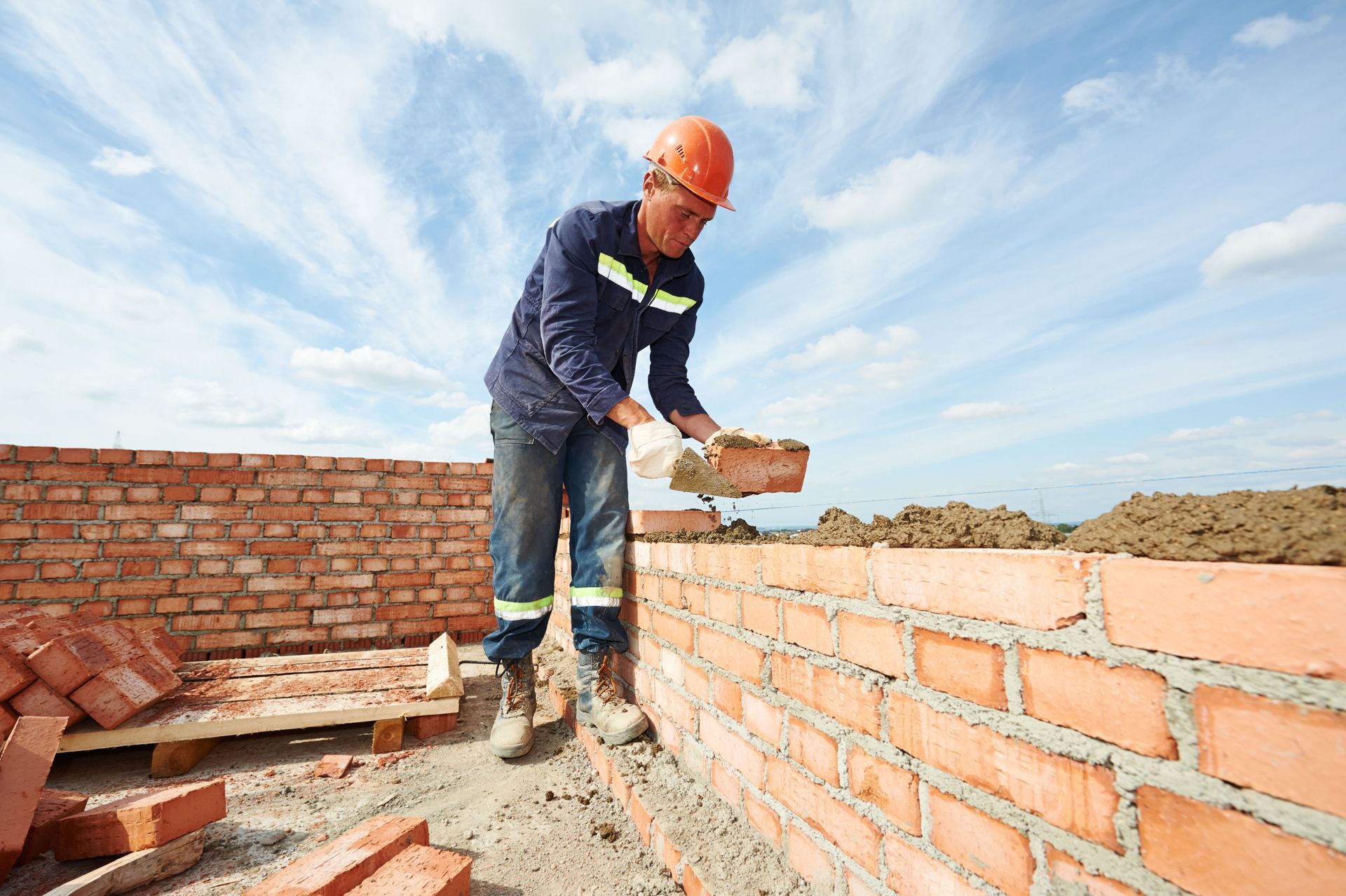
Brick pointing, often called repointing, is the process of removing deteriorated mortar from the joints of a masonry wall and replacing it with fresh mortar. Over time, mortar breaks down from rain, freeze-thaw cycles, and normal settling. Once it starts to crumble, water can slip into the wall and cause damage that's far more expensive to fix than the mortar itself.
A proper job starts with carefully raking or chiseling out the old, failing mortar to a consistent depth. In our experience, most brick joints need to be cleared to a depth of roughly half an inch to an inch so the new mortar can bond properly. From there, the joints are cleaned, dampened, and packed with new mortar in layers before being tooled to match the profile of the surrounding joints.
The main purpose of brick pointing is structural and protective. It restores the wall's weather resistance, keeps moisture out, and helps the bricks themselves last longer. Mortar is meant to be the sacrificial part of a masonry wall, so it's designed to wear out before the brick does. Replacing it when it fails is one of the most cost-effective ways to protect your home's exterior.
What Tuckpointing Involves
Tuckpointing is a more specialized technique that originated in England. It was developed to make walls built with irregular, inexpensive bricks look as though they were constructed with precise, high-end masonry. To create this effect, masons fill the joints with mortar tinted to match the color of the bricks, then apply a thin, raised line of contrasting mortar, often white lime putty, down the center of each joint. The result is the illusion of perfectly straight, crisp mortar lines across the entire wall.
In other words, true tuckpointing is primarily decorative. While it does involve fresh mortar, its defining feature is the raised finishing line rather than the repair itself. Tuckpointing is still used today, particularly on historic properties where owners want to preserve or recreate an original architectural look. It requires a steady hand and a keen eye for detail, since the raised lines must stay even and consistent from one end of the wall to the other.
Where the Confusion Comes From
Over the decades, "tuckpointing" became a catch-all term in many parts of the country for almost any mortar repair. Many homeowners and even some contractors use it to describe standard repointing work, which is why you might see the two words used side by side in estimates and advertisements.
This loose usage isn't necessarily a problem, as long as everyone understands what work is actually being done. Where it can cause trouble is when you're comparing quotes. One contractor might price a basic repointing job while another includes a decorative finish, and the totals will look very different as a result. When you request estimates, ask each contractor to walk you through the process step by step. That way, you can make a true apples-to-apples comparison and avoid paying for a service you don't need, or missing one that you do.
Why Mortar Quality Matters
Whether you need standard brick pointing or a decorative finish, the mortar itself makes a significant difference. Mortar that is harder or less breathable than the surrounding brick can trap moisture inside the wall. When that moisture freezes and expands, it can cause the face of the brick to crack or flake off, a problem known as spalling. This is especially important for older homes built with softer brick and lime-based mortar, which are common throughout many established Pittsburgh neighborhoods.
Color and texture matter as well. New mortar that doesn't match the existing joints can stand out like a patch and take away from your home's curb appeal. Careful mortar matching blends new work into your original masonry so the repair looks like it has always been there.
When the work is done correctly, the payoff lasts a long time. According to the National Park Service, a quality repointing job should hold up for a minimum of 30 years, and ideally somewhere between 50 and 100 years. Shortcuts and poor craftsmanship, on the other hand, can mean you'll be calling a mason again much sooner than expected.
When Your Home Needs Attention
Most homes will never need decorative tuckpointing, but nearly every brick home will need brick pointing at some point. Some of the most common warning signs include mortar that crumbles when you scrape it with a key or screwdriver, joints that sit noticeably recessed behind the face of the brick, gaps or cracks in the mortar lines, loose bricks, and damp spots or water stains on interior walls. Efflorescence, the white, chalky residue that sometimes appears on brick, can also signal that water is moving through the wall.
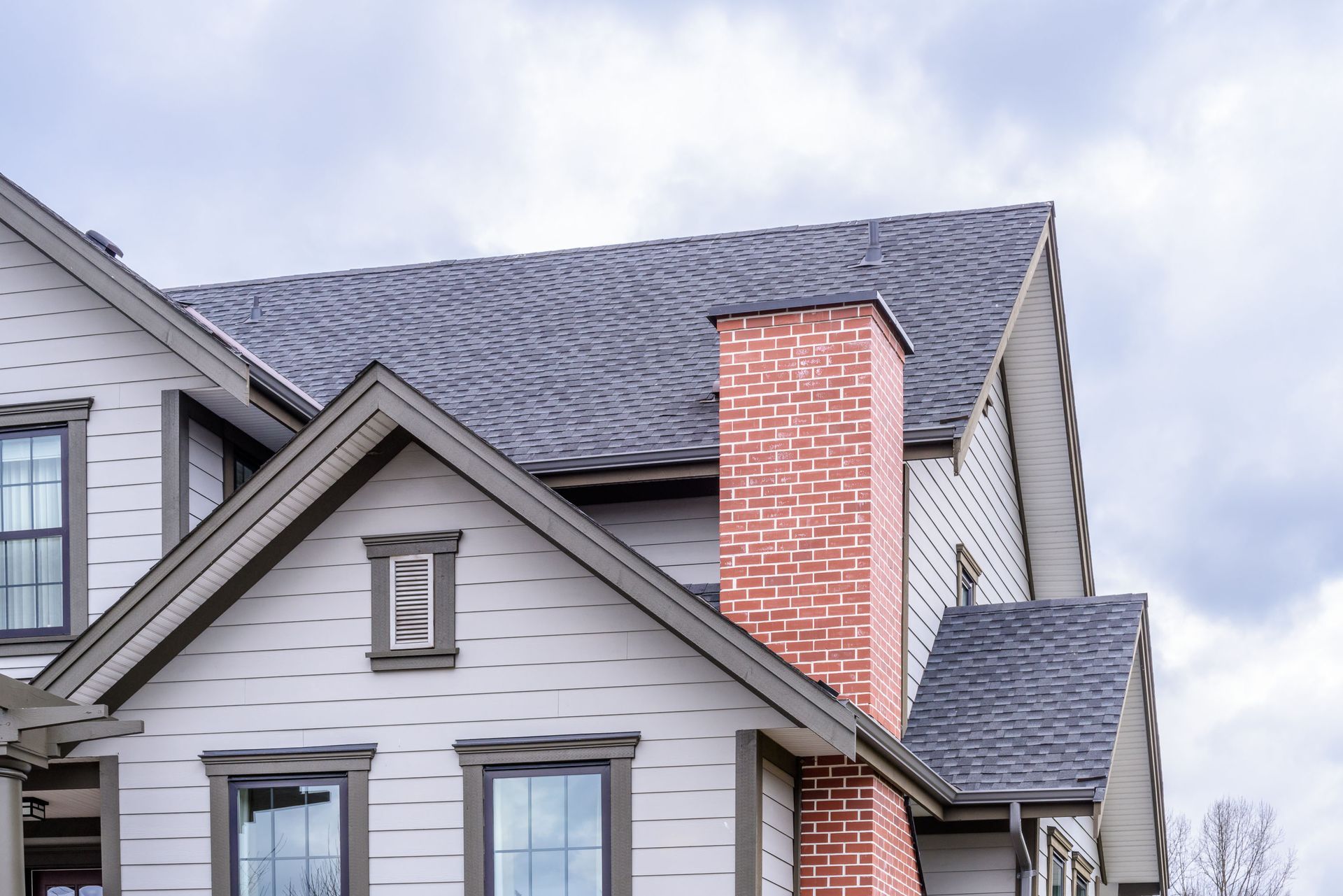
Chimneys, parapet walls, and areas near downspouts tend to deteriorate first because they take the brunt of the weather. If only a few sections show damage, spot pointing may be all you need. If deterioration is widespread, however, whole-house pointing is often more cost-effective in the long run. In our experience, once roughly a quarter to half of a wall needs work, repointing the entire wall usually makes more sense than patching it piece by piece.
Why Professional Work Pays Off
It can be tempting to treat brick pointing as a weekend DIY project, but the process is more involved than it looks. Removing old mortar without chipping the edges of the brick takes real skill, especially when power tools are involved. Mixing mortar to the right consistency, packing joints in layers, and tooling them at the right moment all affect how long the repair will last. A mistake at any stage can leave you with joints that crack, pop out, or let water back in.
Professional masons also look beyond the mortar. Failing joints are often a symptom of a bigger issue, such as a leaking gutter, poor drainage, or a damaged lintel. Repointing without addressing the root cause means the problem will simply come back. An experienced team can identify those underlying issues and recommend a complete solution, whether that involves lintel repair, brick replacement, or repointing across the whole home.
Finally, working with a licensed and insured contractor protects you and your investment. Reputable masons stand behind their work with written warranties, so you aren't left paying out of pocket if something goes wrong down the road.
Although the terms are often used interchangeably, brick pointing and tuckpointing serve different purposes. Repointing is essential maintenance that keeps water out and your walls strong, while tuckpointing is a decorative technique that creates crisp, uniform mortar lines. Understanding the difference helps you communicate clearly with contractors and invest in the right service for your home.
If you've noticed crumbling joints, loose bricks, or moisture problems, now is the time to act. At Precision Pointing & Restoration Inc, we've been protecting Pittsburgh-area homes since 2004, and our team brings more than 100 years of combined experience to every project. We offer free estimates, warranties of up to 20 years, and 10% discounts for seniors and veterans. Contact us today to schedule your brick pointing consultation.